
A combination of factors means high density building is the norm today in various parts of the world. This includes in big cities across the UK. It’s the best way to deliver a large number of homes and more commercial floorspace while dealing with land availability issues. However, there is a lot to think about when designing these buildings, including how to design effective drainage systems. We want to have a closer look at that here, then you can speak to us if you need advice from leading architects in London.
The issue
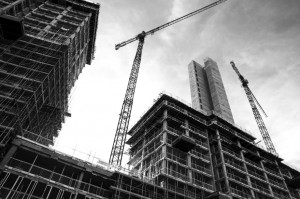 High density buildings require more complex building services, including drainage and plumbing, electrics, heating, fire safety systems, and lifts. They can all take up more space within the property. In the worst cases, they can introduce additional constraints and require compromises on designs.
The big problem is the building services, particularly the drainage, can mean an overall reduction in housing, reduce the size of homes, or cut the amount of usable commercial floorspace. In some situations it may require a full reconfiguration of the property. Additionally, it can increase the cost and build time.
What to do?
The most important thing here is to think about the building services early in the design phase of the project. Working with experts, including top architects in London like us, is very useful. We can consider key things like layouts, configurations, efficiency and performance, fire safety, and building regulations. If you want the best results, a collaboration between disciplines is wise, involving architects, drainage engineers, and even manufacturers.
A crucial thing to look at is the type of drainage system you will use. Conventional systems are surprisingly complex. They generally have the main drainage pipes as well as secondary pipes for ventilation, vents and other equipment. Plus, they often need to slope to provide sufficient discharge flows. All of this can take up a large amount of space, so you need to think carefully about the design.
One thing to consider is modern, space saving alternatives like hydraulic drainage systems. They only require a single set of pipes. In addition, in many cases it is possible to reduce the pipe diameter. Plus, it may be possible to design parts of the system without a slope.
The most important thing here is to ensure whatever type of drainage system you choose, it will perform effectively. There are several details to look at, such as the flow rates, noise, fire safety, and structural integrity. The system must be robust and efficient.
Get advice from top architects in London
High density developments present a huge array of challenges. However, the rewards are clear if you choose an effective design. It can deliver more usable space, whether it is residential or commercial. This can be fantastic for the ROI and helps to protect green space from development.
If you’re planning a project and need some help, you can rely on Coffey Architects. We’re no strangers to high density buildings, including housing, commercial, and mixed-use developments. Most importantly, we’ve got a collaborative spirit and can work seamlessly with other experts to create the best plans.
So, get in touch if you want to work with leading architects in London. You can discuss any plans with us and we’ll be happy to provide support and resources.