
One of the major things people are looking at in the push to improve the environment is the embodied carbon in buildings. Crucially, the goal is to retain what we have more often and design buildings with longer lifespans. This is better than short-termism. But, how can we do it? Let’s have a closer look at some ideas, then you can speak to us if you want help from top architects in London.
Usefulness
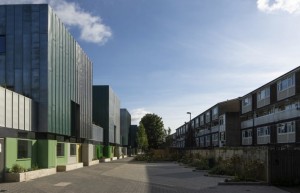 The main reason buildings are vacated and eventually demolished is they are no longer useful. Just think about old factories, warehouses, and industrial complexes. They are signs of past glories, but can soon become empty monuments.
What is the major problem here? It often leads back to the original design. It was created to suit a very specific need and doesn’t have the capacity for easy adaptation to suit different uses. As a result, demolition seems to be the only option.
The biggest challenge is trying to decide what will be useful for people in the future. Things can change rapidly, often in ways nobody even predicted. So, how can you do it? The easy way is to make structures basic and easy to adapt. The more you focus on niche uses, the more you limit the potential life of the building.
Ceilings
A good thing to think about is ceiling height. As top architects in London, we know how valuable tall ceilings are. They encourage adaptability, allowing re-use and renovation more easily. Just consider things like old warehouses. Their generous floor to ceiling heights provide more options for transforming them into galleries, studios, venues, and even housing.
Demountability and disassembly
With the right kind of maintenance and management, many materials can last for generations. However, what about structures we know we only need for a short amount of time? Just look at the past history of building expensive venues simply for events like Olympic Games or World Cups. Luckily, we’ve largely moved away from that kind of short-termism. Now we tend to get innovative designs where it is possible to dismount and disassemble buildings. We can then move or reconfigure them to suit different needs, providing a better legacy for the events.
A big thing here is actually to prepare for the demise of the building before even constructing it. This is necessary in a number of cases. For example, there is huge demand at the moment for data centres. However, they are likely to only have relatively short lifespans because technology moves so quickly. So, it would be an unwise investment to create buildings that are difficult to disassemble or adapt; they would struggle to pay off the original cost and impact of the construction.
Make sure people love it
Another recommendation is to design buildings that people love. The idea is we’re more likely to retain them. However, while this sounds good on paper, it can be difficult. It’s almost impossible to design something that appeals to everybody. Even more challenging, attitudes can change over time. So, lovely designs can soon become abhorred or criticised buildings can win people over.
Work with top architects in London
It can be very tricky to retain older buildings and adapt them for modern use. Additionally, it can be challenging to design a new build that will be able to adapt to future changes in needs. If you want to be successful, the key is to work with the right people. Coffey Architects is a great choice, able to develop innovative solutions for all kinds of situations. We’re never afraid to look outside the box to see what will work.
So, if you want help from exceptional architects in London, talk to us. We’ve got plenty of experience with renovations, including homes and commercial buildings. At the same time, we can create stunning new builds.