
Unfortunately, over time neighbourhoods can decline. There are many examples all over the UK, including formerly thriving seaside towns and urban estates. In the worst cases they become run-down, dangerous, and no longer habitable. However, this doesn’t have to be the case. They could come back to life and even potentially become self-renovating. We want to have a closer look at this here, then you can speak to us if you want to work with an innovative architect in London.
What usually happens?
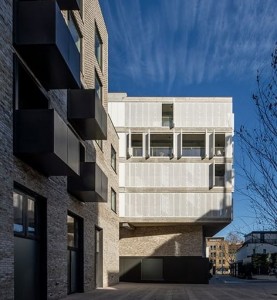 In most cases, one of two things happens when neighbourhoods decline. Firstly, they can get progressively more and more derelict. This is likely if there is no investment to help reverse the slide. Secondly, there can be a massive wave of gentrification. It brings in lots of money to redevelop the area.
While the two results may seem like complete opposites, they can actually cause the same key problem. Whether it is dereliction or gentrification, both can end with a situation where local people can no longer live in the area. It can lead to social, cultural, and economic issues.
An alternative
The idea of a self-renovating neighbourhood is a very interesting alternative. It can provide an ideal middle ground that reverses an area’s decline but still makes sure the focus is on delivering what local people need. It can include homes, workspace, community space, and more. Speak to us if you want to discuss projects with a leading architect in London.
There is a great example of how this can work in Hastings. The town has a fantastic history, including giving its name to a famous battle, playing a key role in trade, and becoming a popular seaside resort. However, it did fall out of fashion to an extent and decline. While there have been projects to regenerate the town, there are plenty of old buildings that need a new lease of life.
Community-focused organisation Hastings Common has a wonderful project here in the White Rock neighbourhood. They’ve been working for over a decade to redevelop derelict buildings. Critically, they have a people-first model. Projects include creating affordable housing, workspace, and a public-living room. This has given new life to significant buildings like the Observer Building and Eagle House.
As a top architect in London, we understand the value of trying something different. A noteworthy thing Hastings Common does is occupy buildings and develop them over time. The phased approach can see properties come back to life floor by floor. While it’s more complex, this kind of steady progress is positive. It also allows communities to develop and can help to finance other parts of the work. It’s great for learning as projects progress and also allows a pivot if issues arise.
Value
One of the most fantastic things here is getting to see how derelict buildings can come back to life. The renovation of the Observer Building saved the ornate facade, preserving the history and character of the building. At the same time, it stabilised the property and improved insulation and energy efficiency.
Eagle House has become an outstanding community asset. Critically, the renovation improved accessibility and vertical circulation. It now offers spaces for various uses, including parents and babies, a local choir, and young people. There is a common room, kitchen, crafting table, tech lab, offices, and more. Interestingly, Hastings Common’s youth group had a big input on the design, selecting vibrant but calming colours for the interior.
Plan renovations and more with a top architect in London
A key thing to keep in mind is you can approach renovations in different ways, including focusing on the local community. We’d love to help you. Coffey Architects has a wealth of experience and is always expanding our knowledge and skills. Have a look at our portfolio to get a better idea of what we can do. Then, if you have questions or want to discuss a project with us, you can get in touch.