
Large developments alone are not enough to deliver the amount of new housing London needs. It’s also important to look at smaller sites and how to develop them effectively. Some councils already address this with frameworks, however others don’t have them. This could change in the future though with a new design code from the GLA. Let’s have a closer look at it here, then if you want help from passionate architects in London, you can rely on us.
The Small Sites Design Code
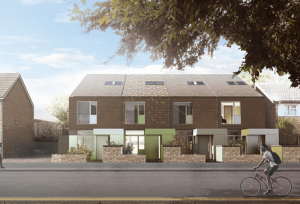 The GLA recently launched a new draft design code for smaller sites (less than 0.25 hectares). It will help to support the goals in the new London Plan, particularly the aim to make the best use of land to build more high quality housing. The hope is making the development of small sites easier will help achieve the goal to build 558,000 homes by 2037.
A key thing here is the design code will make it easier for stakeholders, including architects, to see if proposals would be “acceptable in principle”. This is the initial hurdle with many projects. Without a framework or code, it can be time consuming and expensive to even determine if a site would be suitable to develop. It can deter development. Even if projects do progress, issues at this early stage can lead to them being aborted.
One of the most important things here is the Small Sites Design Code provides parameters to help determine if sites are appropriate for development. It covers the type of sites (suburban, terrace, high streets, or flatted), character context, and dimensional parameters. Therefore, it is easier to see if your proposal fits the site and area. Speak to us if you want help from leading architects in London.
Praise
The Small Sites Design Code is receiving a lot of praise. Significantly, it provides more certainty and will streamline the delivery of projects in London. Even better, it could help to reduce costs and prevent aborted work. Notably, it was written with extensive input from industry professionals and other stakeholders to ensure it is well informed and can maximise value.
Notably, the design code applies to conservation areas too. This is vital because they need to contribute to new housing targets. While it is important to preserve the character of these locations, it should not prevent all development. If small sites are viable here and designs respect the context (including using similar materials, roof profiles, etc), they should be acceptable.
What happens now?
The Small Sites Design Code is currently in draft form. A public consultation is open until 4th December, giving stakeholders the chance to provide feedback. After that, there will be reviews of the comments and potential revisions of the guidance. A final version will be created after the new London Plan is finalised.
Talk to top architects in London about your plans
It’s fantastic that it could be much easier to develop small sites in London in the near future. Before then, if you’re planning a project it’s best to work with a passionate, knowledgeable architect. It can help you to explore ideas, understand planning challenges, and create the best plans for any site in any part of the city.
Coffey Architects loves rising to the challenges of redeveloping different sites, including small ones. We can design the most creative properties to bring them to life as homes and more. So, contact us if you want to work with some of the best architects in London.