
In the past it was relatively easy to design building envelopes. Largely they would be brick and mortar. However, modern buildings have more intense demands for safety and performance. They can feature a much larger array of different components. So, it becomes harder to design them. We want to have a closer look at this here to provide some useful advice. Then, if you have projects in mind like residential architecture in London, you can rely on us.
Objectives
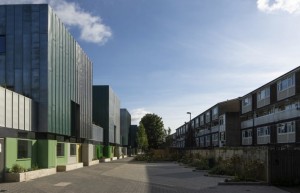 The most important thing to keep in mind is modern building envelopes need to simultaneously meet different objectives. They still need to do the classic thing of providing effective shelter from the elements. As a result, they must be able to withstand them effectively, particularly rain. However, on top of that they must be energy efficient, meet fire safety requirements, ensure acoustic performance, maximise health and wellbeing, address overheating, and manage moisture.
You can probably already see the problem here; how can you design to satisfy so many requirements? It can naturally lead to conflicts and the need for compromises. It puts more pressure than ever on designers to dive deep into the different options and what will and won’t work.
Multi-layered assemblies
A building envelope today is generally a multi-layer assembly. It can feature numerous components, such as bricks, insulation, cladding, brackets, moisture membranes, and cavity barriers. You must ensure they all work together effectively and don’t fail to meet any of the objectives. Rely on us if you need advice about residential architecture in London and more.
One of the most important things is to prioritise fire safety. If even one product in a multi-layer assembly is combustible, it makes it harder to ensure compliance. Ideally you should make sure all elements are non-combustible. If you can’t, you need to do sufficient testing.
It’s also vital to think about moisture control. The last thing you want is for elements of a multi-layer assembly to trap moisture in the building envelope. It can lead to serious problems like condensation in the walls, mould, and even structural deterioration over time. You need to select materials that can breathe. Plus, key products like vapour membranes must be placed correctly.
Finally, it’s a good idea to look at thermal bridging. It is one of the main factors that can compromise energy efficiency. You need to ensure you don’t choose conductive products that will allow heat to flow and bypass insulation.
Designing residential architecture in London and more
The single most important thing if you’re designing building envelopes is to get all the information you can. Talk to the manufacturers that make each element, including insulation, membranes, cladding, and more. Make sure you ask them for performance data and compliance documentation. Ultimately, you want to confirm components will work together and not cause issues.
Coffey Architects would love to help here. We can work with you to examine your objectives, create wonderful designs, and look at specifications. Remember, good planning early in a project is always better and more cost effective than late changes and retrofitting.
So, contact us today to discuss residential architecture in London and other types of projects.