
Thermal performance is one of the most important factors with buildings. Get it right and it makes properties more efficient and sustainable, saving energy and reducing costs. This is fantastic for owners and the environment. However, there are some significant challenges to address. One of the most important is thermal bridges. Let’s have a closer look, then you can speak to us if you want to work with leading architects in London.
Letting heat escape
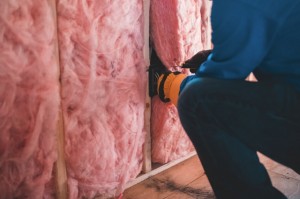 If you want to improve energy performance, you need to ensure you don’t let heat escape from the property quickly. If that happens, it consumes more energy to achieve a consistent, comfortable temperature. Using insulation effectively is important. However, there can still be issues because of thermal bridges. They are points where heat can get out easily.
Disappointingly, as insulation use increases, thermal bridges actually become a worse and worse issue. In fact, in a well-insulated modern home, they can account for 20-30% of the total heat loss.
Why does it happen?
Thermal bridges happen for a number of different reasons. Most commonly, they occur anywhere there are gaps in the insulation. You get the best results if you have a consistent layer of insulating materials, but it’s very difficult to do this. Buildings need various junctions between elements, such as where walls meet floors and roofs. Naturally you also end up with joints around openings like doors and windows.
Another major cause is conductive materials penetrating the insulation. For example, you may have structural steelwork. It conducts heat effectively, allowing it to bypass the insulation and escape. Speak to us if you want advice from top architects in London.
Solutions
It can be very tricky to prevent thermal bridges. However, there are a number of things you can do.
One of the best opportunities is to utilise modern tools to analyse where there could be thermal bridges, including insulation weak spots and junctions. Doing this at the design stage provides more opportunities to improve designs and boost performance.
More importantly, be careful designing junctions and insulation. Continuity is vital, ensuring there are no gaps or misalignments. Wrapping corners is a good tip. Think about gaps around openings and how to fill them. Plus, minimise the use of conductive materials, especially where they penetrate through insulation.
Get advice from leading architects in London
Whether you’re designing a new build or looking to upgrade a property to improve energy efficiency, it’s essential to think about insulation and thermal bridges. Coffey Architects would love to work with you. We can help to design properties that are energy efficient and comfortable.
So, get in touch today and discuss your ideas with award winning architects in London. We create high end homes, offices, educational buildings, and much more.